
Stories & Real Experiences
Personal Stories
A diagnosis of dementia can bring many emotions: fear, confusion, sadness, frustration and uncertainty—but there can also continue to be love, laughter, friendship, accomplishments and wonderful moments together.
They might talk about:
Receiving the diagnosis • Telling family and friends • Continuing to work or volunteer • Maintaining independence • Driving decisions • Memory changes • Staying socially active • Planning for the future • What they wish other people understood
A person doesn’t stop being themselves the day they’re diagnosed with dementia.
There is still a person with opinions, humour, memories, preferences and a lifetime of experiences behind the diagnosis
Family Stories
Dementia doesn’t happen to only one person.
It changes family relationships as well.
A husband may gradually become his wife’s caregiver.
A daughter may suddenly be managing her mother’s medical appointments.
Adult children may have to make decisions they never imagined making for their parents.
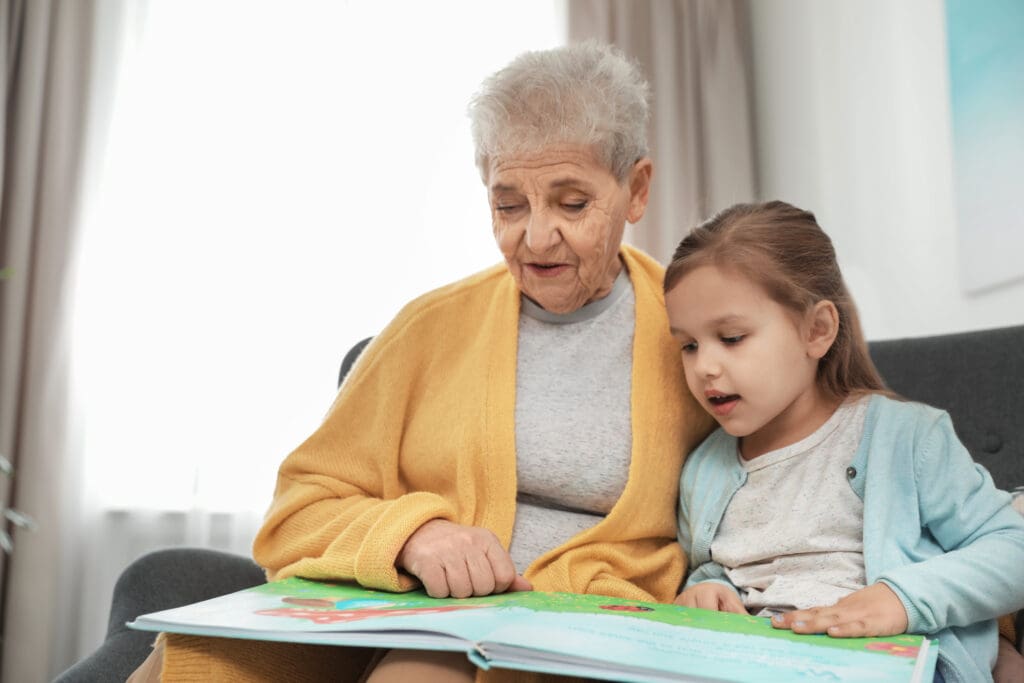
Grandchildren may wonder why Grandma doesn’t remember something they did together.
Family stories can discuss the good days and difficult days honestly.
Not every story needs a perfect ending. In fact, the most helpful stories may simply tell the truth about what happened and what the family learned along the way.
Family Journals
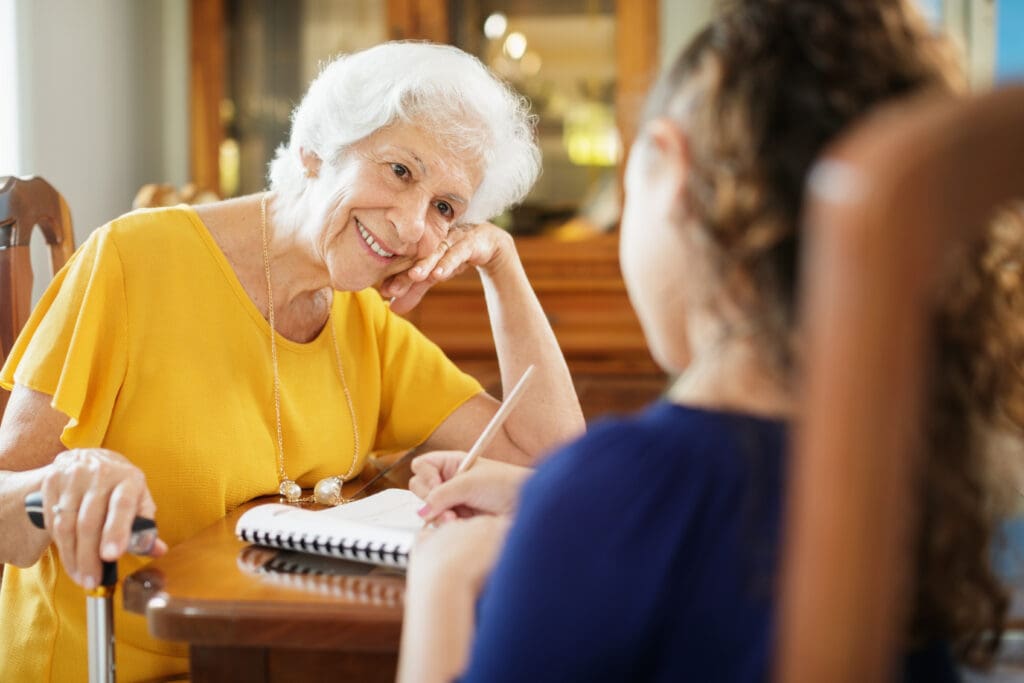
A journal can capture the progression of a family’s journey:
The First Signs → Diagnosis → Adjusting at Home → Finding Support → Changes Over Time → Important Decisions → Memories Along the Way
These don’t necessarily need to be enormous stories.
You could have something as simple as:
“Mom Asked Me the Same Question 20 Times”
A daughter explains how frustrated she initially became when her mother repeatedly asked when they were leaving for an appointment.
Eventually she realized that her mother wasn’t repeating herself intentionally each time she asked, it felt like the first time to her.
The daughter put a small whiteboard in the kitchen:
Doctor today 2:00 PM
We leave at 1:30
That tiny change made both of their days easier.
That’s exactly the type of practical experience another caregiver might read and think:
“I’m going to try that.”
Get the body moving and the brain benefits too.
Physical activity is one of the most useful things we can do for our overall health.
Exercise supports the heart and circulation, helps maintain strength and balance, can improve mood and sleep, and is associated with better brain health.
And exercise doesn’t have to mean joining a gym.
It could be:
Walking • Gardening • Swimming • Dancing • Cycling • Housework • Hiking • Playing with the grandchildren • Taking the stairs
The goal is to move regularly and reduce long periods of sitting.
For many adults, Canadian guidance recommends working toward about 150 minutes of moderate-to-vigorous physical activity each week, along with muscle-strengthening activities. But even smaller amounts of movement are worthwhile, particularly for someone who is currently inactive.
The right amount and type of exercise will depend on a person’s age, mobility and health..

Lessons Learned
The most powerful lessons may not be complicated. Often, they are the things families wish someone had told them at the beginning. A small change learning not to correct every mistaken memory, accepting an offer of help, or realizing that a difficult behaviour may be caused by fear or confusion can completely change the way a family approaches dementia.
These lessons can also remind people that there is no perfect way to be a caregiver. Families will make decisions they later question. They will have days when they are patient and days when they are frustrated. What matters is learning, adapting and continuing to treat the person with kindness and dignity.
Some of the most valuable advice may have nothing to do with medical care at all. It might be:
Play their favourite music.
Write down the funny things they say.
Visit even when you’re not sure they will remember.
Say “I love you” while you still have the opportunity.
Don’t spend every good day worrying about the difficult days ahead.
Over time, these individual lessons could become something much bigger a collection of wisdom passed from one family to another. Someone reading a story at two o’clock in the morning during an especially difficult period might discover one sentence that makes tomorrow a little easier.
WHAT WE LEARNED
Perhaps the contributor learned:
Don’t argue about the little things.
Ask for help earlier.
Take more photographs.
Keep a routine.
Accept that plans sometimes need to change.
Don’t wait until you’re exhausted to arrange respite.
Let other family members help.
Enjoy the good days.
Talk about future wishes while you still can.
Remember the person—not just the disease.
Those little pieces of experience could be incredibly valuable.
The Good Stories Matter Too
Not every story needs to be about something going wrong.
Let’s have stories about:
A wonderful afternoon together.
A favourite song bringing back a memory.
Grandpa dancing.
Mom remembering someone’s name unexpectedly.
A successful family outing.
A funny misunderstanding.
Cooking an old family recipe together.
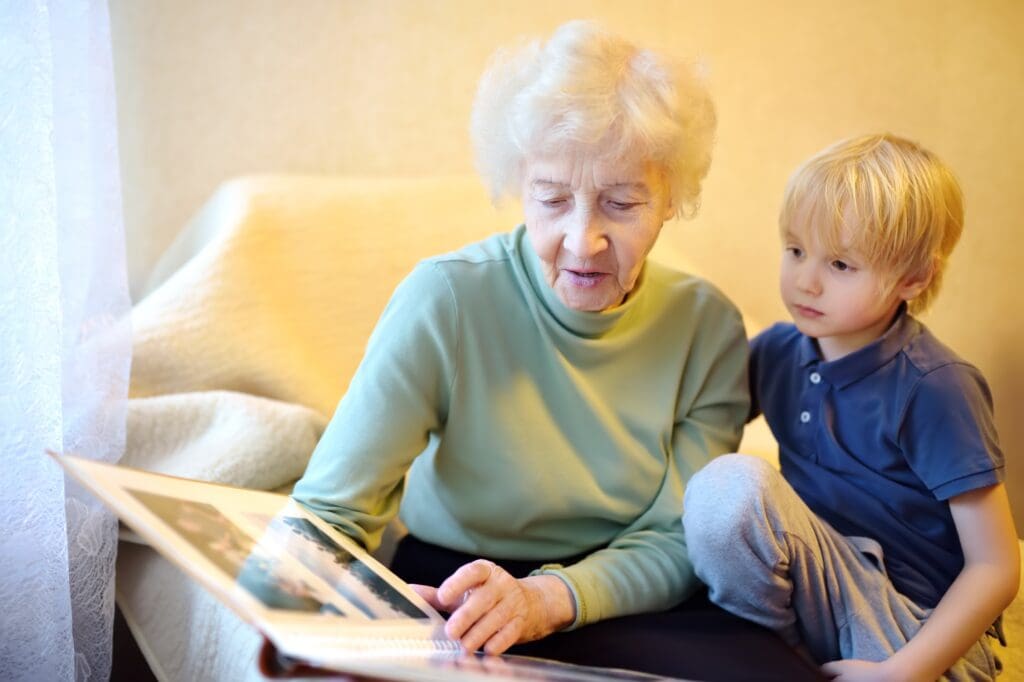
Looking through wedding photographs.
A caregiver finally accepting some help.
Dementia can be incredibly difficult, but families can still experience joy, humour and connection.
Those moments deserve a place here too.
Photos & Memories
The important part isn’t who the person is—it’s what their experience might teach someone else. A caregiver in Vancouver could read a story from a family in Halifax and suddenly recognize something they are going through themselves. That feeling of “Someone else understands this” can be incredibly reassuring.
Stories don’t always have to focus on the difficult moments either. Encourage families to share the funny, touching and unexpectedly beautiful moments too—the song that suddenly brought back a memory, the joke that still made Dad laugh, the afternoon Mom couldn’t remember anyone’s name but somehow remembered exactly how to bake her favourite cookies.
Every family has a story. And your story might be exactly what another family needs to hear today.
EVERY STORY CAN HELP SOMEONE
- Alzheimer Society of Canada – Young Caregivers: A Real-Life Family Story
Four siblings talk about caring for their grandmother with dementia, including the emotional challenges, what they learned, and advice for other families.
Read and watch the family story - Government of Canada – Dementia and Caregiving: Personal Stories
This is particularly good for your page because it features Canadian family caregivers discussing loneliness, love, difficult days, maintaining quality of life, and lessons they learned while caring for someone with dementia.
Dementia and Caregiving – Canadian Stories - Alzheimer Society of Canada – Dementia Talks! Canada
This series brings together people living with dementia, caregivers, families and researchers to share lived experiences, stories, perspectives and practical information. There are also past talks people can watch.
Dementia alks! Canada
YOUR STORY
Everyone Has a Story. What’s Yours?
Are you living with dementia? Are you caring for someone you love? Has your family learned something that might help another family?
We would love to hear from you.
Your experience—whether it’s a major lesson, a difficult moment, something that made you laugh or simply a small idea that made everyday life easier—may help someone else who is going through the same thing.
SHARE YOUR STORY
For the form, I’d keep it easy:
Your Name: __________________________
Email: ______________________________
Your Story Title: ____________________
I am a:
☐ Person living with dementia
☐ Family member
☐ Caregiver
☐ Friend
☐ Other
Tell Us Your Story:
Large writing box
What is the biggest lesson you learned?
Smaller writing box
Add a Photo (Optional)
📷 Upload Photo
☐ Please publish my first name
☐ Please publish my story anonymously
☐ I give permission for Your Next Step to review and publish this story
SUBMIT MY STORY ❤