
Understanding Dementia
Understanding Dementia
Dementia can be confusing—for the person experiencing it and for the people who love them. Understanding what is happening is an important first step.
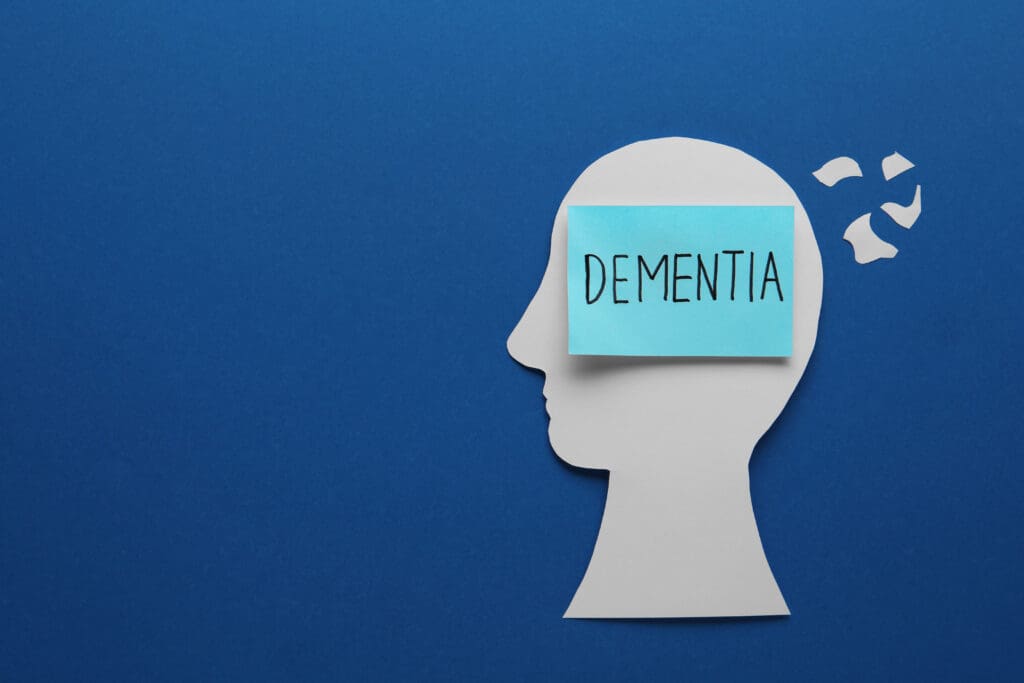
Dementia is not one specific disease. It is a general term used to describe changes in memory, thinking, communication, judgment, and everyday abilities that are significant enough to interfere with daily life.
Below, you can learn what dementia is, the different types, how it can affect the brain, and some of the changes families may notice along the way.
What Is Dementia?
Dementia describes a group of symptoms caused by diseases or conditions that damage brain cells.
A person with dementia may begin having difficulty remembering things, finding the right words, solving problems, making decisions, understanding their surroundings, or completing everyday activities that were once familiar.
Dementia is more than occasionally forgetting someone’s name or where you put your keys. The important difference is that the changes become persistent and begin interfering with everyday life.
Types of Dementia
There are several different diseases that can cause dementia.
Although they can share many symptoms, they don't necessarily affect the brain in exactly the same way.
Dementia can affect everyone differently. Some changes can happen slowly over many years, while others may progress more quickly.
Alzheimer's Disease
Frontotemporal Dementia
Vascular Dementia
Mixed Dementia
How Dementia Affect's the Brain?
“Why is Mom or Dad doing this?”
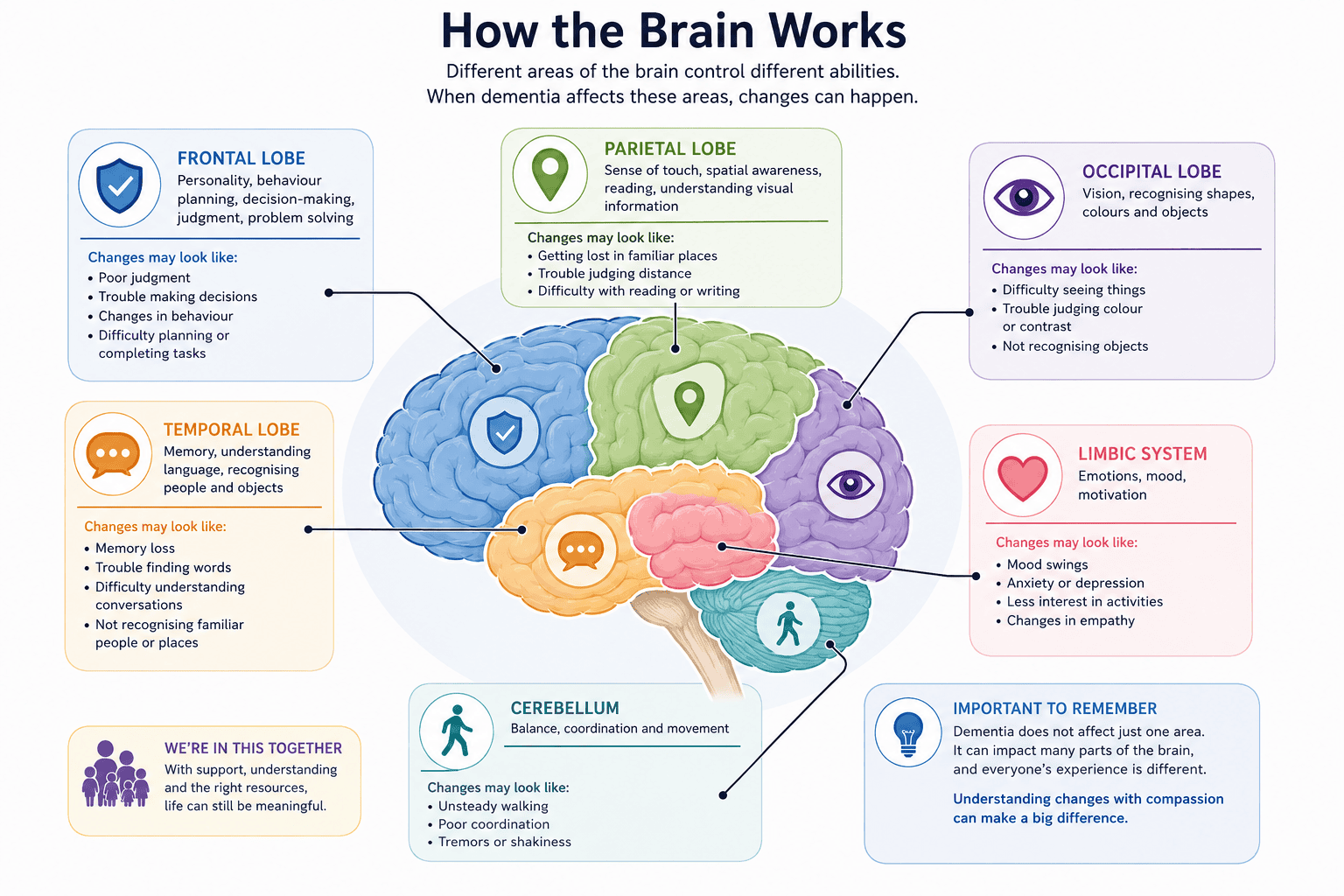
The brain controls almost everything we do memory, speech, judgment, emotions, movement, recognition and our ability to understand the world around us.
When dementia damages different areas of the brain, different abilities can be affected.
For example:
Memory: A person may forget recent conversations but remember something from 40 years ago.
Language: They may know exactly what they want to say but struggle to find the word.
Recognition: Eventually, some people may have difficulty recognizing familiar people, objects or places.
Judgment: Decisions that once seemed simple can become difficult.
Orientation: Someone may become confused about the date, time or where they are.
Behaviour and personality: Damage to certain parts of the brain can affect emotions, inhibitions and behaviour.
Movement: Some types of dementia can eventually affect balance, coordination and walking.
This is why understanding dementia is so important. Behaviour that looks intentional may actually be the result of changes happening inside the brain.
Spending time and socializing with residents
What Families Notice First
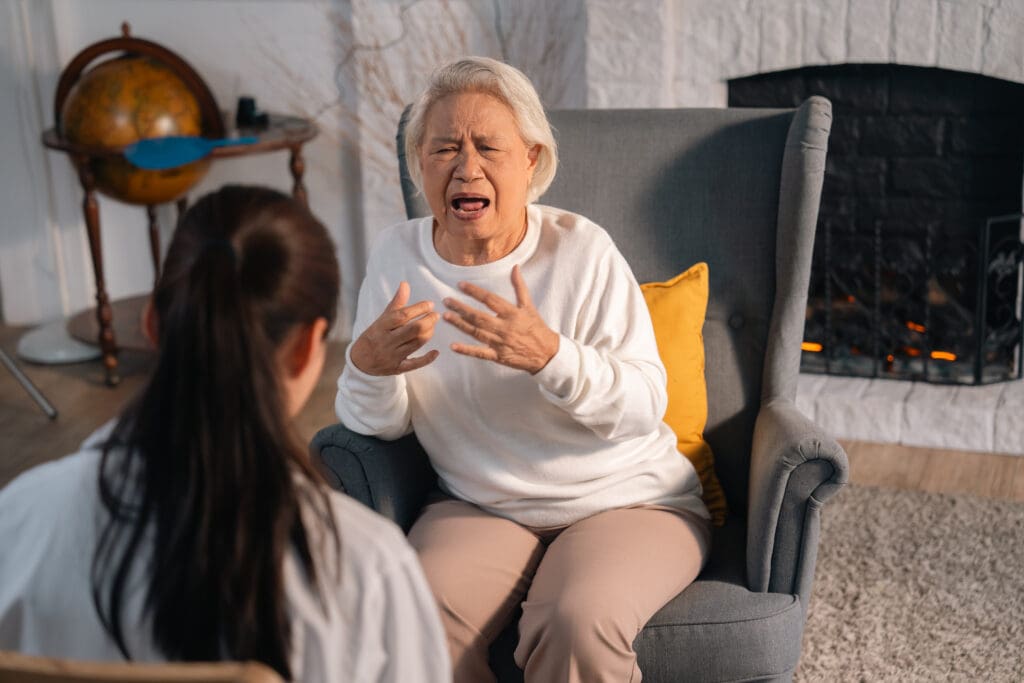
Early changes don’t look exactly the same for everyone, but families may notice things such as:
- Asking the same question repeatedly
- Forgetting recent conversations or appointments
- Having trouble finding familiar words
- Getting confused in familiar places
- Difficulty managing bills or medications
- Losing track of dates or time
- Difficulty following instructions
- Changes in judgment or decision-making
- Losing interest in activities they previously enjoyed
- Noticeable changes in personality or behaviour
One important message should sit underneath:
Having one of these symptoms does not automatically mean someone has dementia.
Memory and thinking problems can have many causes, including medication effects, infections, sleep problems, depression, vitamin deficiencies and other medical conditions. A medical assessment is important when changes are persistent or interfering with everyday life.
Can Dementia Be Cured?
Most common progressive dementias currently do not have a cure, but that does not mean nothing can be done.
Depending on the cause and the individual, medications, lifestyle changes, routines, environmental changes and support can sometimes help manage symptoms or improve quality of life.
And this is where Your Next Step can transition beautifully into the other Resource sections.

Is Dementia a Part of Aging?
No.
This deserves its own little box because it’s such a common misconception.
People can become a little slower at recalling information as they get older. Occasionally forgetting a name and remembering it later can happen to anybody.
Dementia is different.
Dementia involves changes in thinking or memory that become significant enough to interfere with a person’s independence and everyday life.
Dementia can also look very different from one person to another. Memory loss isn’t always the first or most noticeable symptom. Some people initially experience problems with language, organization, judgment, concentration, visual perception or changes in behaviour.
It’s also important not to assume that every new memory problem is dementia. Medication effects, infections, sleep problems, depression, vitamin deficiencies and other medical conditions can sometimes cause dementia-like symptoms. That’s why noticeable or persistent changes in memory and thinking deserve a proper medical assessment rather than an assumption about the cause.
The key difference isn’t an occasional forgotten name it’s a pattern of changes that begins affecting everyday life.

Where do we go from Here?
Understanding dementia is only the beginning. You don’t have to learn everything at once.
Our Resource Centre can help you explore:
Prevention & Brain Health →
Learn about healthy habits and factors associated with brain health.
Daily Support & Care →
Practical ideas for making everyday life safer and easier.
Stages of Dementia →
Understand how needs and abilities may change over time.
Activities →
Ideas for meaningful activities, engagement and connection.
Medications →
Learn about medications commonly discussed in dementia care.
Support & Resources →
Find organizations and services that may be able to help.
Caregiver Guidance →
Practical information for family members and caregivers.
Stories →
Experiences and perspectives from people navigating dementia and caregiving.
Trustworthy Canadian Organizations
- Alzheimer Society of Canada – What Is Dementia?
A very approachable starting point. It explains dementia in plain language, the difference between dementia and normal aging, symptoms, and the different types of dementia. - Government of Canada – Dementia Overview
A strong official Canadian source covering what dementia is, symptoms, types of dementia, treatment, risk factors and prevention. - Alzheimer Society of Canada – Help & Information
Families can find education, caregiver resources, local Alzheimer Societies, programs and support services throughout Canada.