
Activities & Engagement
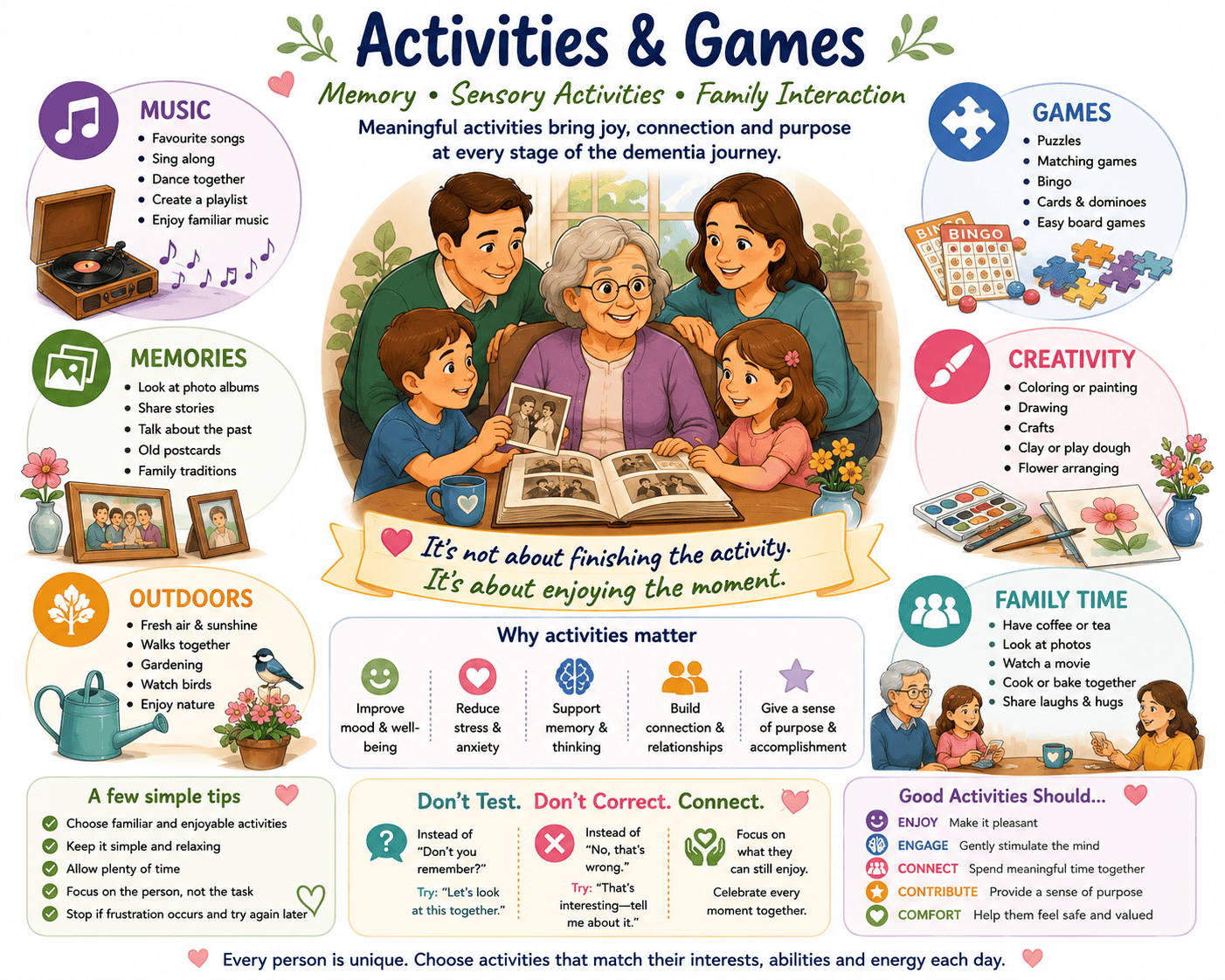
Activities & Games
Memory • Sensory Activities • Family Interaction
Living with dementia doesn’t mean someone has to stop participating in activities they enjoy. In fact, familiar and meaningful activities can provide comfort, stimulation, confidence, social connection and a sense of purpose.
The activity doesn’t have to be complicated, and it doesn’t have to be completed perfectly.
Sometimes the best activity is simply doing something enjoyable together.
Memory Activities Memory activities don’t need to feel like a test.
Instead of asking someone questions to see what they remember, use activities that invite memories naturally.
Look Through Old Photographs
Family photographs can be wonderful conversation starters.
Rather than asking: “Who is this?” Say “Look at that beautiful old car!”
Let the person decide where the conversation goes.
They may remember something from 50 years ago but not remember what happened yesterday. That’s okay.
The purpose isn’t to test their memory.
The purpose is to enjoy the memory together.
Music & Favourite Songs
Music can be a wonderful way to connect.
Try music the person enjoyed when they were younger:
- Favourite singers
- Songs from their teenage years
- Wedding songs
- Christmas music
- Religious or cultural music important to them
- Songs they used to dance to
- Music associated with family traditions
You might be surprised when someone who doesn’t speak very much begins singing along with a familiar song.
Create a personal playlist specifically for them.
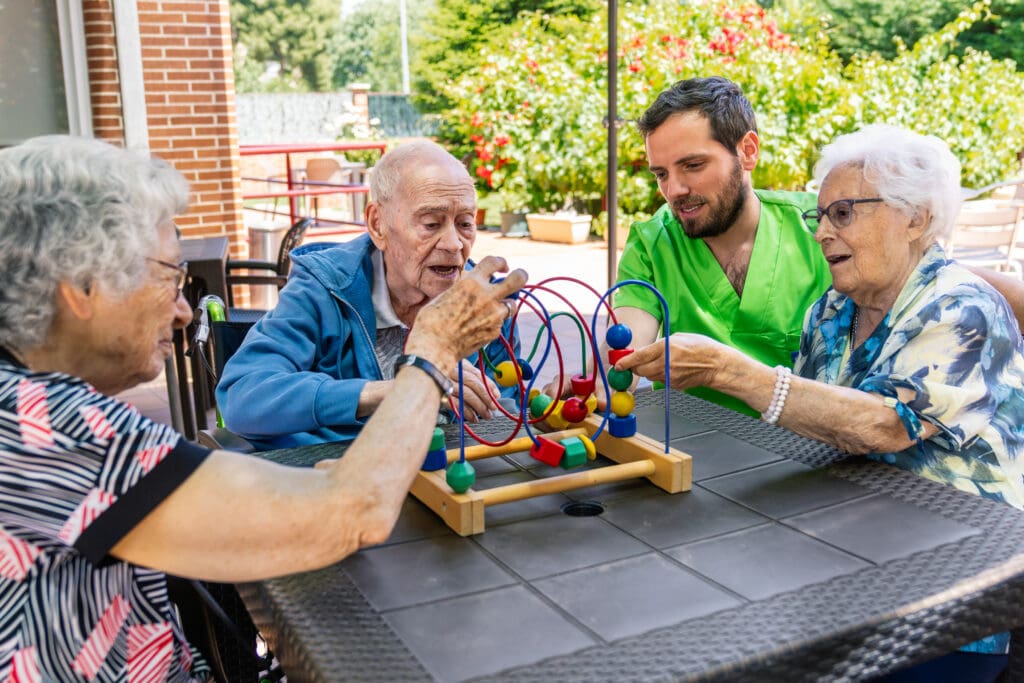
Simple Puzzles & Games
Games can provide mental stimulation while also being fun.
Try: Large-piece puzzles • Dominoes • Matching games • Bingo • Simple card games • Sorting games • Word games • Picture matching
Choose the difficulty based on the person’s current abilities.
A 500-piece puzzle may become frustrating.
A beautiful 20-piece puzzle might be enjoyable.
Success is more important than difficulty.
Sensory Activities
Our senses can provide powerful ways of interacting with the world.
Even when memory and communication become more difficult, someone may still enjoy experiences involving touch, smell, sound, sight and taste.
Touch Try safe objects with different textures:
Soft blankets • Stuffed animals • Smooth stones • Fabric samples • Knitted items • Wooden objects • Sensory balls
Someone who once enjoyed working with their hands may particularly enjoy handling familiar materials.
Smell Familiar smells can sometimes bring back strong feelings and memories.
Try: Fresh coffee • Vanilla • Cinnamon • Flowers • Fresh bread • Favourite perfume • Pine • Herbs from the garden
You don’t necessarily have to ask: “Do you remember this?” Simply let them experience it.
You could say: “That cinnamon smells wonderful.” If a memory follows, great. If not, they still enjoyed the experience.
Sight Visual activities can be calming and engaging.
Try: Photo albums • Nature books • Colourful flowers • Watching birds • Aquariums • Scenic videos • Old postcards • Artwork
A window overlooking a garden can itself become an activity.
Sound Sound isn’t limited to music.
People may enjoy: Birdsong • Ocean waves • Rain • Nature sounds • Familiar television programs • Family recordings • Children’s voices
Keep volume comfortable and watch for signs that a sound is relaxing—or overstimulating
Activities That Provide Purpose
This is one of my favourite categories.
Not everything needs to be a “dementia activity.”
Sometimes people simply want to feel useful.
Someone who spent decades caring for a family, working, gardening or maintaining a home may enjoy participating in familiar everyday activities.
Try:
Folding towels • Sorting socks • Watering plants • Setting the table • Wiping a countertop • Mixing ingredients • Sorting photographs • Sweeping • Organizing safe objects • Helping prepare vegetables
It doesn’t matter if you need to redo something afterward.
The feeling of contributing can matter more than the finished job.
Outdoor Activities
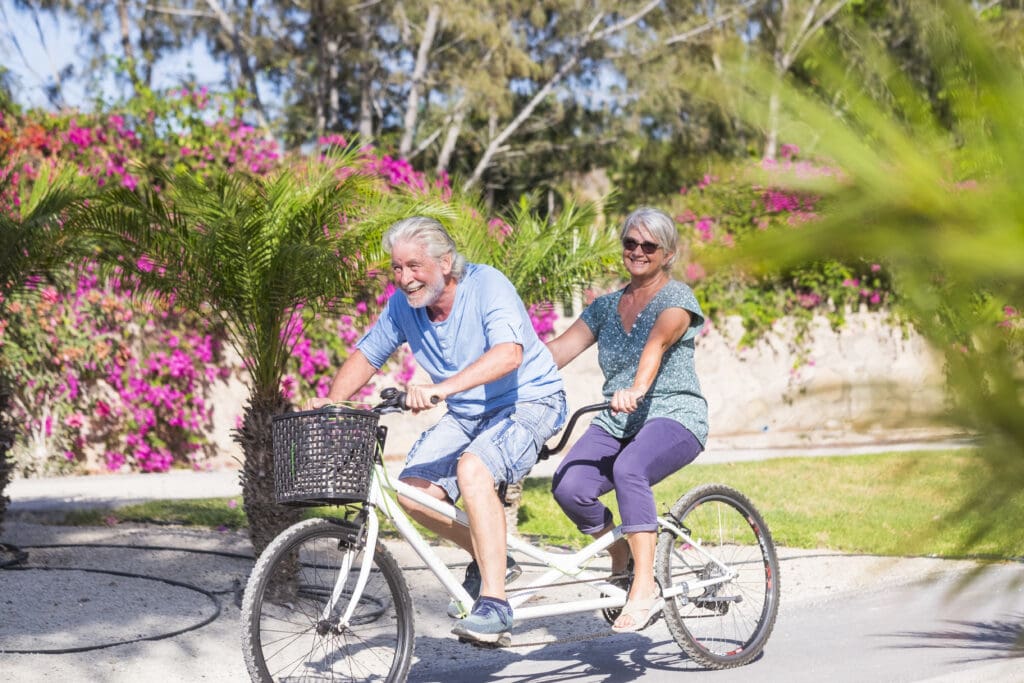
Fresh air and gentle activity can be wonderful when appropriate and safe.
Consider: Walking • Gardening • Sitting outside • Watering flowers • Watching birds • Visiting a park • Looking at trees and flowers • Going for a drive
A short walk around the block can provide exercise, stimulation and a change of scenery all at once.
Creative Activities
Creativity doesn’t require remembering instructions.
Try: Painting • Colouring • Drawing • Clay • Simple crafts • Flower arranging • Decorating • Scrapbooking
Don’t worry about whether the finished project looks “right.”
If somebody paints the sky purple, the sky can be purple.
The enjoyment of creating something is what matters.
Family
Family visits can become difficult when relatives don’t know what to say or do.
Here’s something I’d emphasize strongly on the website:
You don’t always need a conversation to have a meaningful visit.
Instead of sitting across from someone asking question after question, do something together.
Try:
Look at pictures together.
Listen to music.
Have coffee.
Take a walk.
Fold laundry.
Watch an old movie.
Sit in the garden.
Play cards.
Share a favourite dessert.
An activity gives everyone something to focus on and removes pressure from the conversation.
Children & Grandchildren
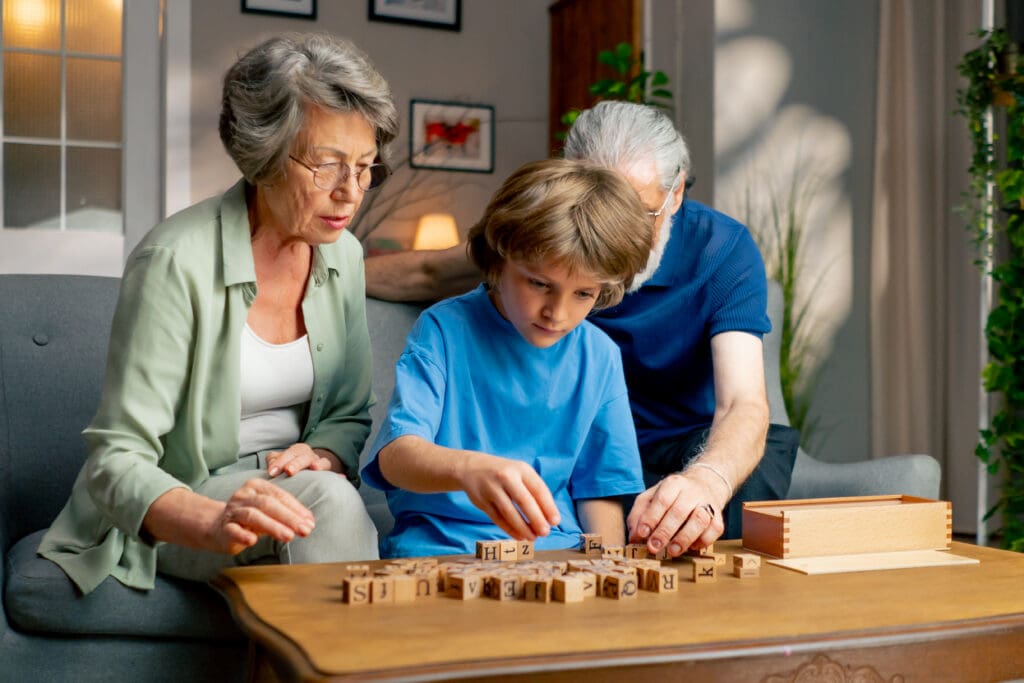
Children can sometimes interact wonderfully with someone living with dementia because their interaction tends to be spontaneous.
They might:
Colour together • Build something • Blow bubbles • Sing songs • Look at picture books • Play with a pet • Toss a soft ball • Decorate cookies
Children should be given a simple explanation appropriate to their age:
“Grandma’s brain works differently now, so sometimes she forgets things. We can help by being patient and kind.”
Animals & Pets
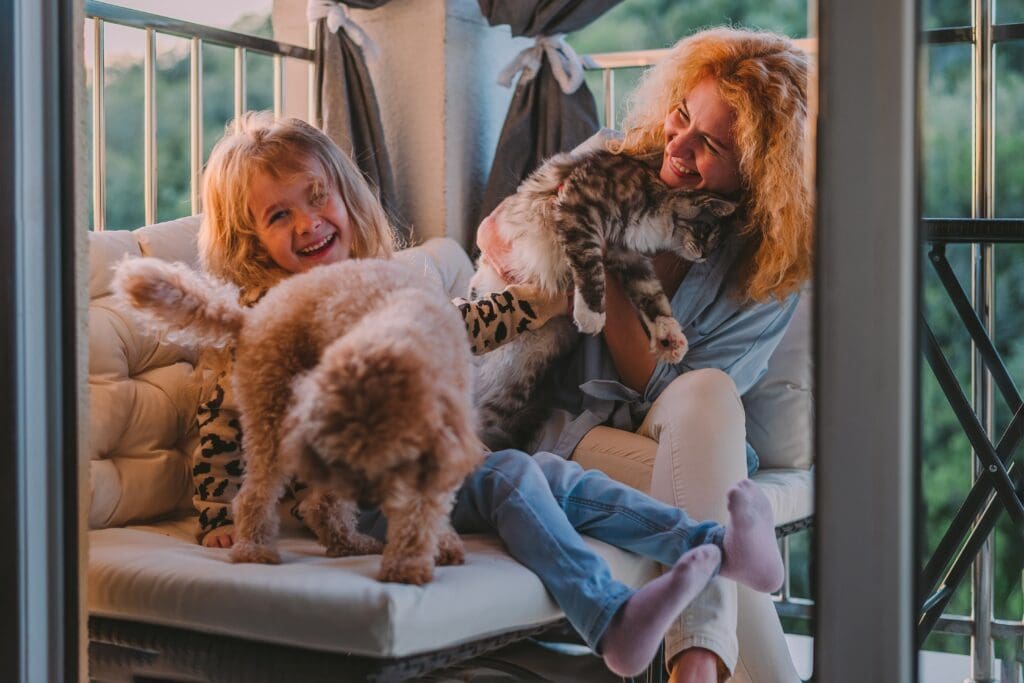
For someone who has always loved animals, spending time with a gentle pet can provide companionship and comfort.
Activities might include:
Petting a dog • Brushing a pet • Watching birds • Visiting with a therapy animal • Looking through animal photographs
Always consider the person’s comfort and the temperament of the animal.
Food & Kitchen Activities
Food can connect people with decades of family traditions.
Depending on the person’s abilities and safety needs, they might:
Stir ingredients • Decorate cookies • Wash vegetables • Set the table • Choose between two foods • Smell herbs and spices • Look through an old recipe book
You can even recreate a family recipe together.
It may trigger stories that nobody expected.
Outdoor Activities
Fresh air and gentle activity can be wonderful when appropriate and safe.
Consider: Walking • Gardening • Sitting outside • Watering flowers • Watching birds • Visiting a park • Looking at trees and flowers • Going for a drive
A short walk around the block can provide exercise, stimulation and a change of scenery all at once.
Creative Activities
Try: Painting • Colouring • Drawing • Clay • Simple crafts • Flower arranging • Decorating • Scrapbooking
Five Goals of a Good Activity
Finding Suitable Activities — Alzheimer Society of Canada
- Alzheimer Society of Canada — Programs & Services — This is useful for families looking for activities beyond the home. It covers brain-health programs, social and recreational programs, Minds in Motion, day programs, respite care, and art and music activities available through Alzheimer Societies across Canada.
Dementia Programs & Services — Alzheimer Society of Canada - Government of Canada — Dementia: Symptoms & Treatment — This gives the page a good government resource as well. It discusses non-drug approaches such as cognitive stimulation, music, art, massage, social programs, animal-assisted activities and meaningful engagement in favourite activities.
Dementia: Symptoms & Treatment — Government of Canada